March 20, 2026
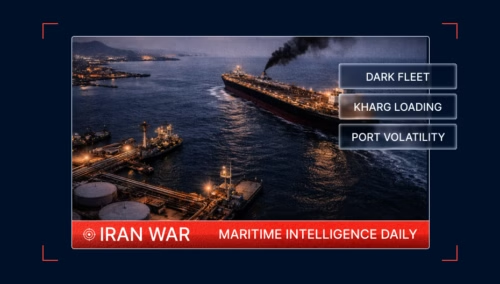
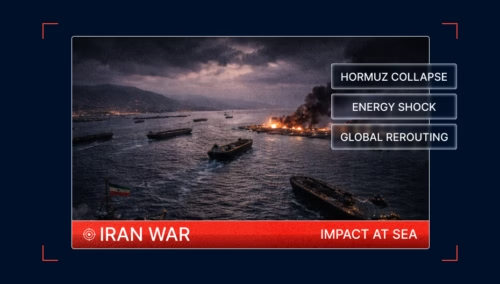
Iran War at Sea: How the Conflict Is Disrupting Global Trade and Energy

Windward’s Maritime AI™ equips customs agencies with real-time visibility and intelligence to identify high-risk shipments before they reach port.
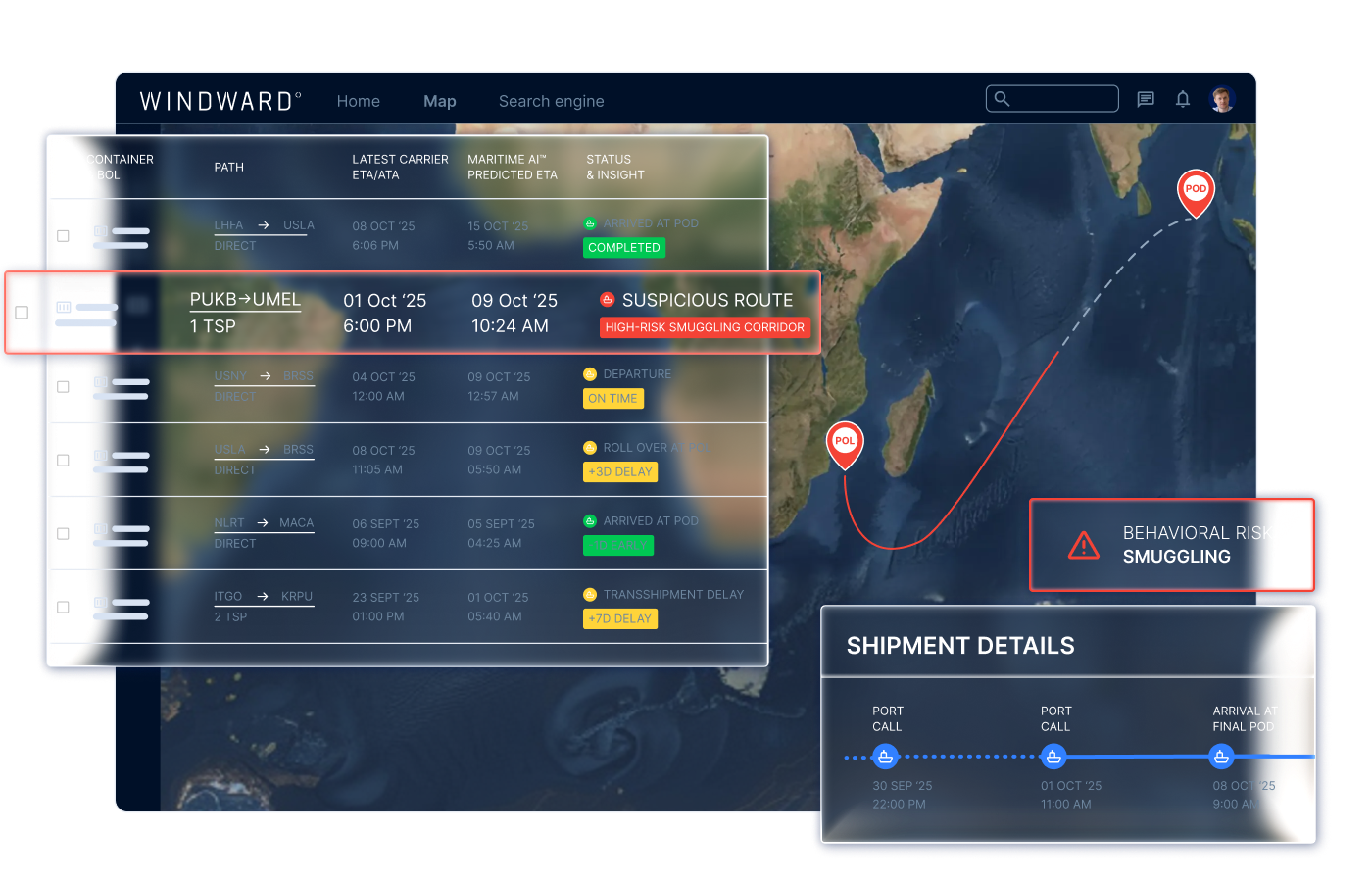
Millions of containers pass through ports each year. Only a fraction gets inspected. Windward’s Maritime AI™ helps customs agencies catch more fraud and smuggling while keeping legitimate trade flowing.
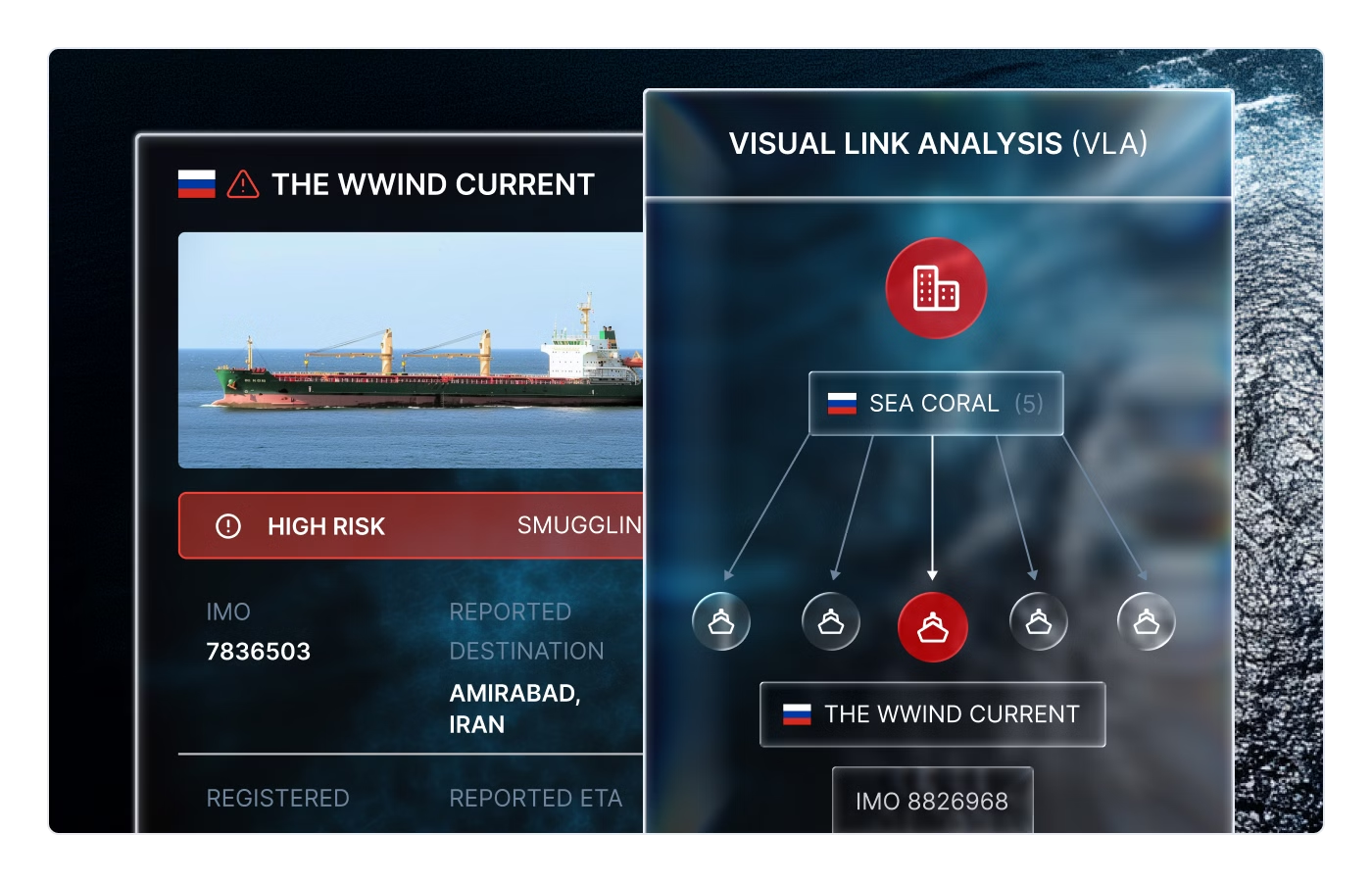
Track vessel journeys and container voyages from origin to port of arrival. See ownership structures, identity, routing, and behavioral patterns — so you know who’s moving what, and how.
Proactively identify sanctions evasion, smuggling indicators, tariff fraud, and deceptive shipping practices through AI-driven behavioral analysis and risk assessments – before cargo reaches your borders.
Scale customs operations through automated vessel screening, automatic tariff calculation, and AI-driven document verification – reducing manual effort while increasing coverage and enforcement effectiveness.
Enable seamless collaboration through real-time intelligence sharing, alerting, and escalation across teams and partner agencies – ensuring coordinated action and faster response to emerging threats.
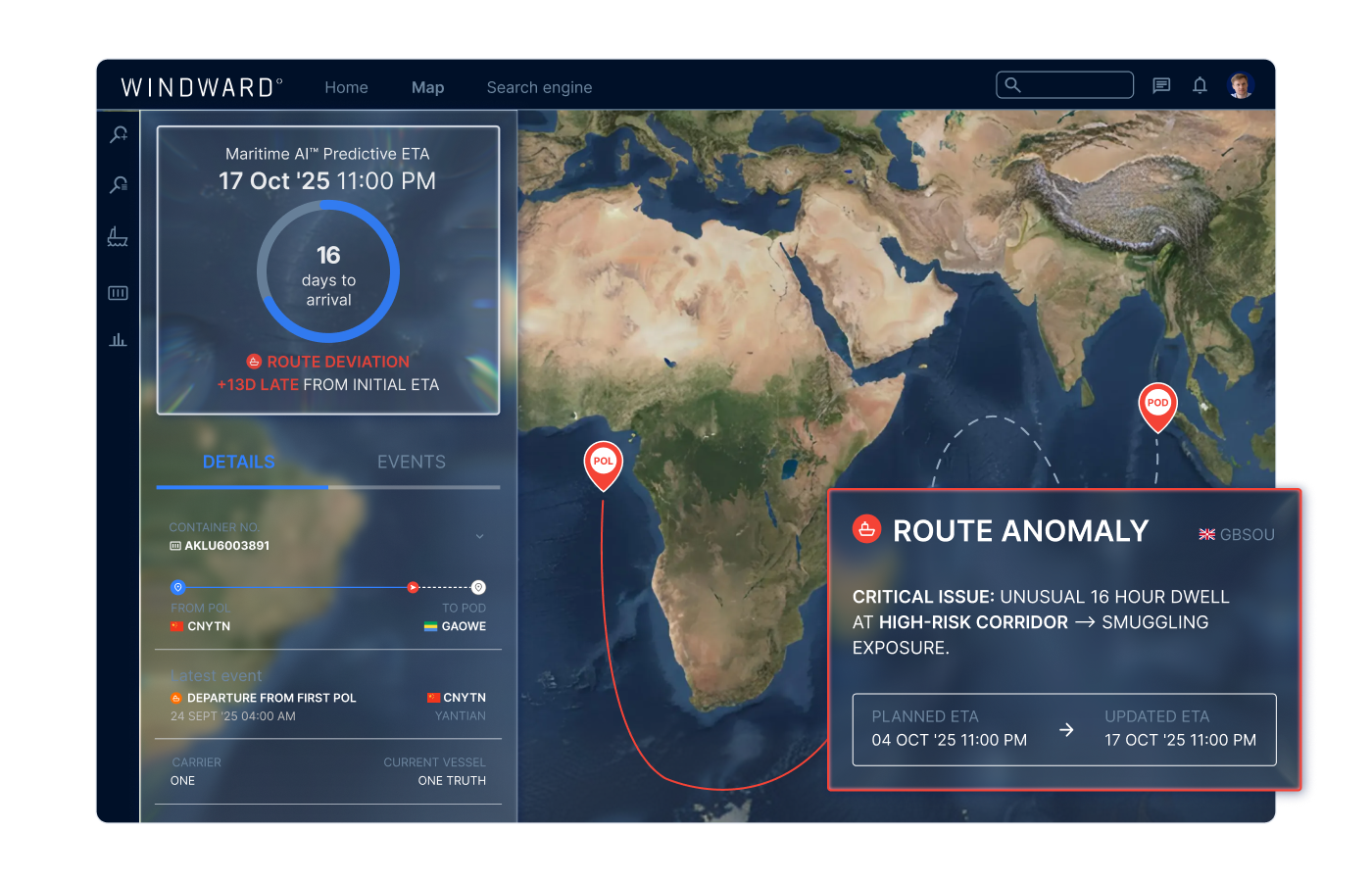
Predictive, AI-driven risk assessments help customs agencies proactively identify and prioritize threats. By detecting deceptive behaviors and flagging links to smuggling networks, customs teams get actionable early alerts to focus inspections and interdict high-risk activity in time.

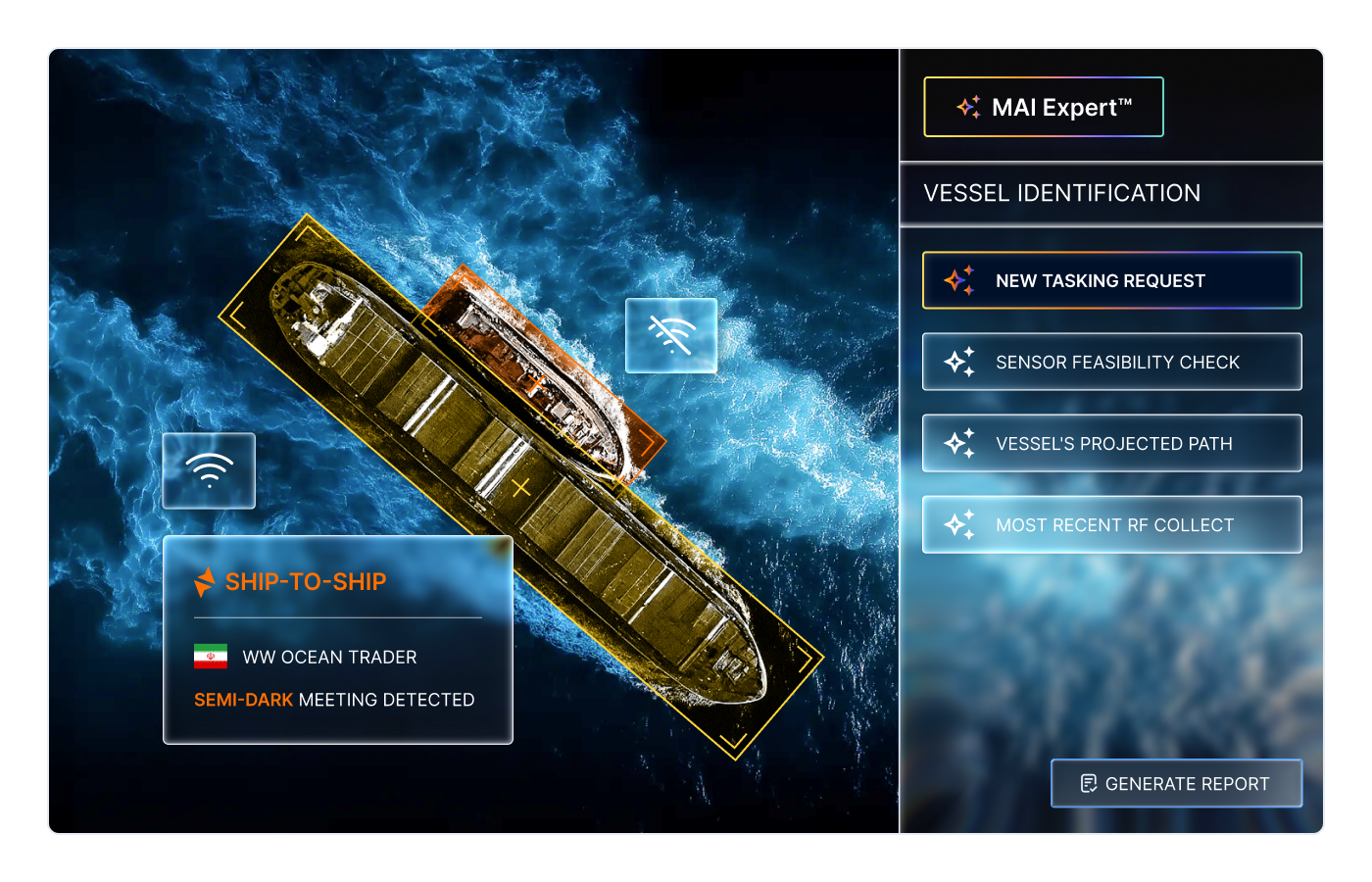
Windward’s Remote Sensing Intelligence solution fuses multi-sensor coverage (EO, SAR, and RF), AI-powered detections, in-app tasking, and a fully integrated investigation workflow. By delivering actionable visual insights to government, security, and compliance teams, it provides a decisive operational edge – enhancing maritime operations with speed, precision, and proof.
How does Windward help customs agencies identify high-risk vessels and shipments before arrival?
Windward’s predictive risk models analyze vessel behavior, cargo patterns, and ownership data to flag high-risk shipments before they reach port. This enables customs agencies to prioritize inspections and allocate resources more efficiently.
Can Windward automatically screen vessels and containers for smuggling or sanctions evasion?
Yes. Windward continuously screens vessels and containerized cargo against behavioral, ownership, and sanctions risk indicators, detecting links to smuggling networks, deceptive shipping practices, or restricted trade routes automatically. In fact, during 2024, Windward flagged 99% of vessels later sanctioned as risky before their official designation, proving the predictive power of its Maritime AI™.
How does Windward’s AI-powered Document Validation support customs inspections?
Document Validation cross-verifies Bills of Lading (BOLs), Certificates of Origin (COOs), and other trade documents against real vessel behavior and shipment data. It instantly flags discrepancies that may indicate false declarations, forgery, or sanctions evasion.
What types of trade documents can Windward verify automatically?
The solution currently validates Bills of Lading (BOLs) and Certificates of Origin (COOs), with expansion planned for manifests, invoices, and customs declarations. Each verification includes explainable results and a full audit trail for regulatory review.
How does document validation help detect tariff fraud or revenue leakage?
By comparing declared cargo origin and voyage history with actual vessel movements, Windward detects misdeclared goods or false routing used to evade tariffs, ensuring correct duty collection and preventing revenue loss.
Can Windward automate tariff calculations and duty assessments?
Yes. Windward fuses live vessel and shipment data with tariff databases to automate duty estimation and reconciliation, helping customs agencies accelerate clearances and recover unpaid revenues.
How does container tracking improve inspection targeting and risk prioritization?
Windward tracks containers from origin to destination, highlighting transshipments, delays, or route deviations. These insights help customs officers focus inspections on the most suspicious shipments, improving accuracy and throughput.
Can customs officers customize risk profiles for specific routes, cargo types, or vessel behaviors?
Absolutely. Using Organization Defined Risk (ODR), agencies can tailor risk models and alert thresholds to match their enforcement priorities, from specific regions to cargo categories or known smuggling corridors.
How does Windward’s workflow automation improve inspection efficiency?
Windward automates repetitive tasks like screening, report generation, and case prioritization. MAI Expert™ can summarize findings, draft inspection notes, and escalate high-risk cases instantly, reducing manual workload and decision time.
Can Windward integrate with existing customs and border control systems?
Yes. Windward’s API and data services integrate seamlessly with customs management, trade finance, and enforcement platforms, allowing insights to flow directly into existing workflows and command systems.
How does MAI Expert™ assist customs officers in daily operations?
MAI Expert™ acts as a virtual customs analyst, generating instant risk summaries, cross-checking documents, and highlighting anomalies. It helps officers process more shipments in less time, with full transparency and context.
What makes Windward’s Maritime AI™ different from traditional customs risk management systems?
Unlike static or list-based tools, Windward’s Maritime AI™ combines behavioral analysis, document validation, and predictive modeling. It connects vessel, cargo, and entity intelligence into one dynamic picture, giving customs agencies proactive control over trade security and revenue protection.